10 Common Goat Mistakes Beginners Make
In raising goats, I quickly learned that these animals have minds of their own. Here are ten mistakes many new goat owners make and how to avoid them.
1. Buying Only One Goat – NEVER
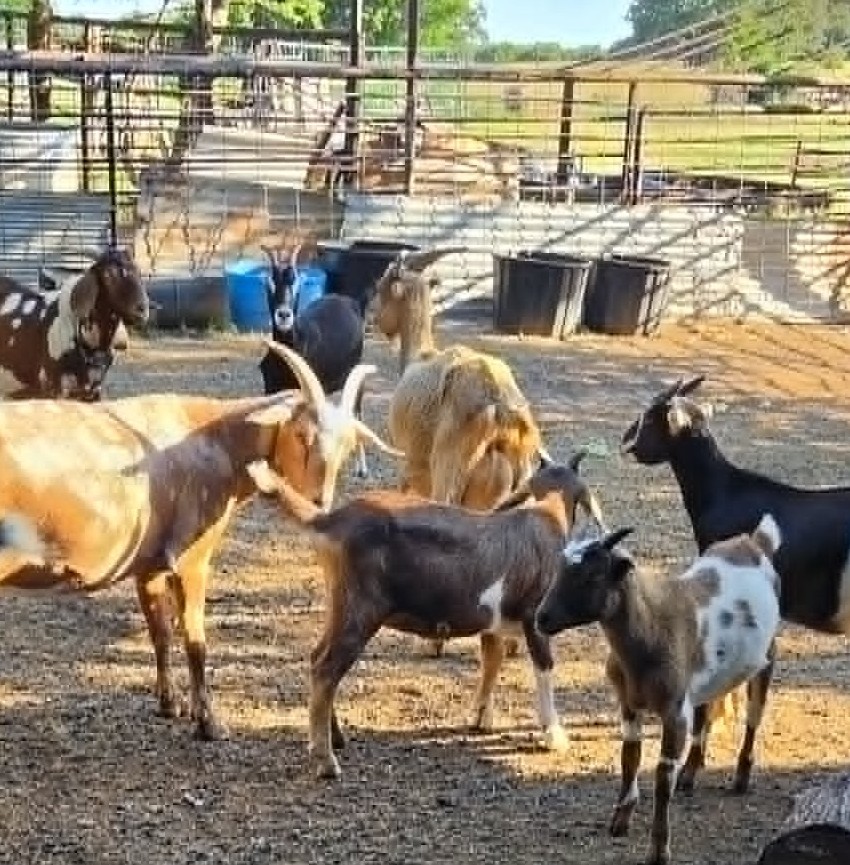
Goats are herd animals and need companionship so a minimum of three, but five or more goats works best. They need room to explore, play, sleep, and eat. There are different sizes of goats when trying to pick what breed you want to raise. If you don’t have a big space a dwarf breed would be best, but remember the fencing needs to be really good because they can squeeze through a small hole.
2. Using Weak Fencing
If a goat can find a hole, it will. They are escape artists and constantly test the fences and pens. A secure pen is a must because a lose goat has many enemies. The pen we started with the goats had 3 metal pipes running horzontally and we added wire cattle panels, but the goats kept sticking their heads through the holes and since most of my goats have horns they were getting their heads stuck so I put pallets across to stop it. Part of having goats is being a good problem solver, they present a problem and then you fix things so it doesn’t happen again. Just FYI a regular 5 line barbed wire fence will note hold a goat, they walk through it like it isn’t even there. We are lucky in that I let our goats out on pasture every morning and they got to two other pastures from our home pasture and it’s all our land.

3. Forgetting Minerals
Goats require goat-specific loose minerals for proper health. You will have people say they need access to baking soda and some people will say no. Personally I sprinkle some baking soda on the mineral every other week. Also Goats are low in copper (Cu) so have Copper boluses handy to give the goats twice a year. I just put it in a little grain and feed each goat so I’m sure they get it. Some people will feed the bolus in a fig newton. Just experiment to find what works for you.
4. Feeding Too Much Grain
Too much grain can cause serious digestive issues and urinary tract issues with males. Goats love grain but it should be used sparingly. Our goats get hen scratch or cracked corn as a treat, this seems to work by giving them protein without the richness of grain. Pregnant and milking nannies get 1 lb a day of goat pellets which increases protein. I have also given the protein cubes we feed our cattle when they are pregnant and being fed in the winter when there is no pasture.
5. Ignoring Hoof Care
Overgrown hooves can lead to pain and mobility problems. There are people that will come to your farm and trim them or you can find some youtube videos that will teach you which trimmer works best and how to do it. Our seem to walk around enoug because I have them out on pasture most of the year that they keep their hooves worn down.
6. Not Monitoring Parasites
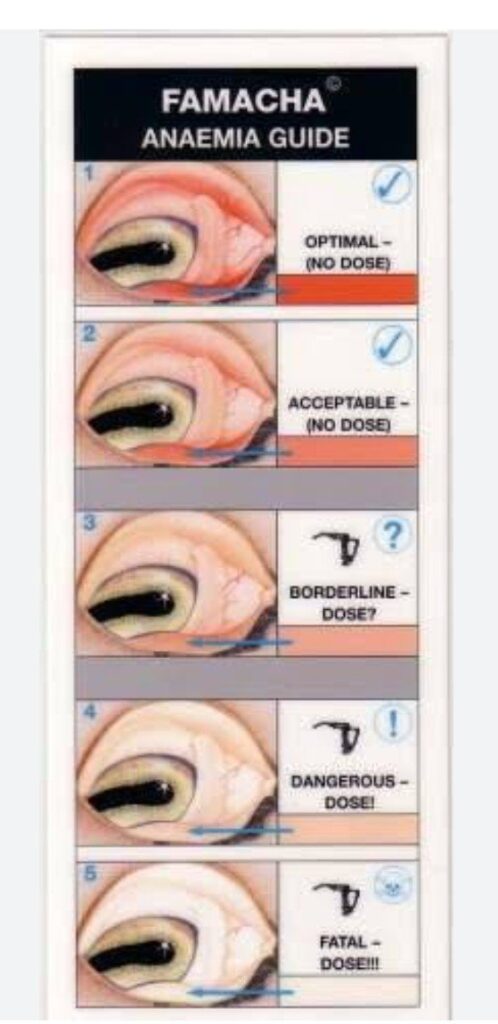
Internal parasites are one of the biggest health concerns in goats. Fecal samples can be taken to your local vet or contact your local extension office to find out what is common in your area and how to treat the goats. Keeping an eye on the goat’s Famancha, which is the color of their lower eyelid, which estimates a goat’s level of anemia. Scores range form 1 (healthy red) to 5 (severely anemic white). It’s best not to treat all the goats all the time, which decreases the wormers effectiveness. It’s also best to take a fecal sample to get tested to confirm what parasites are present before using a wormer.
7. Buying Goats Without a Purpose
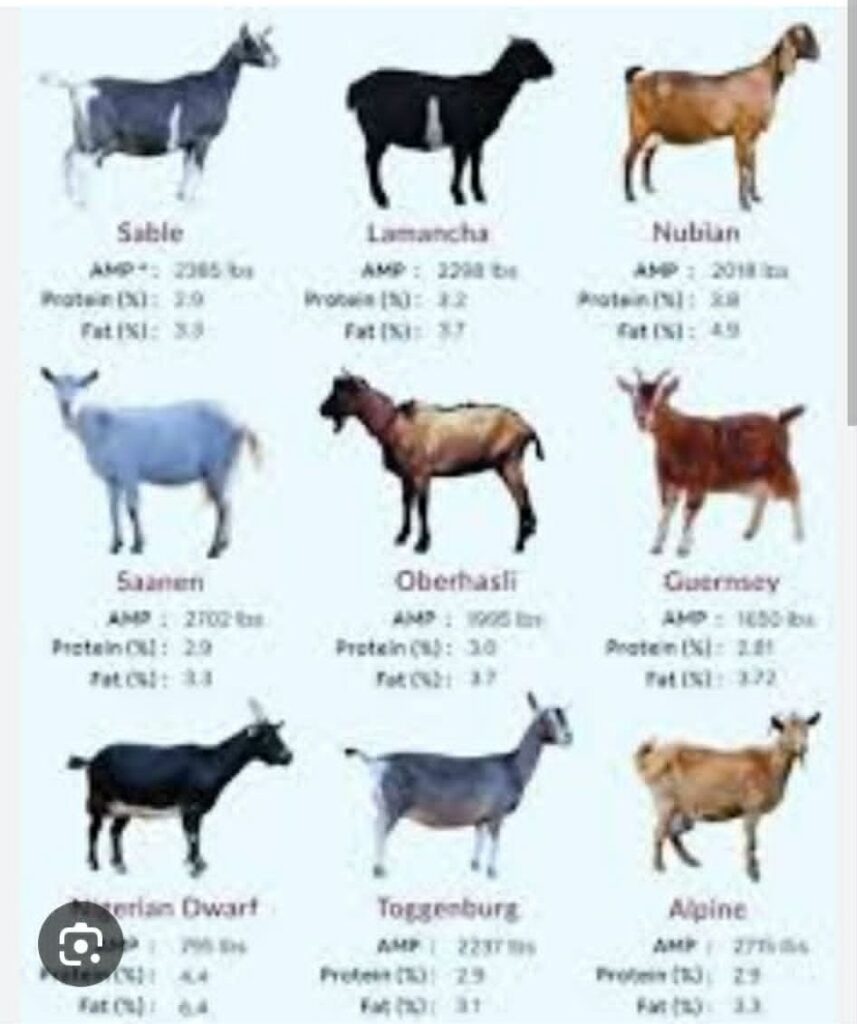
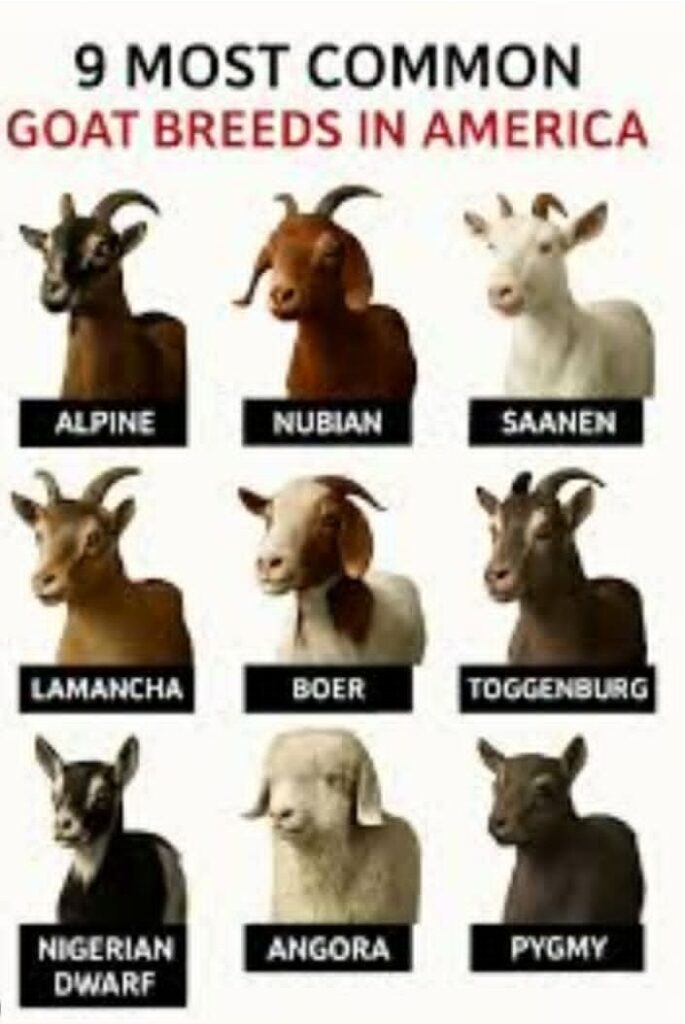
Know whether you want dairy goats, meat goats, brush control, or pets. There are many sizes and breeds of goats so if you know you want pack animals get bigger breed like Alpine, Nubian or Boer goats. If you don’t have a lot of space Nigerian dwarfs might be just for you. Popular dairy goats are LaMancha, Nubian, Oberhasli, Saanen, Alpine and Toggenburg have good milk fat and produce a good amount of milk. Meat goats are Kiko, Boer and Spanish goats to name the most common.
Crosses of a dairy and meat goats gives a well rounded animal that will produce both meat and dairy attributes. And all goats are great for weed control. They do need a job and earn their keep plus if they are bored they can cause A LOT of trouble!!

Common Dairy Breeds
8. Poor Shelter Design
Goats hate being wet and need dry areas. You will notice when it rains goats will act like the rain is acid, they absolutely hate water and will jump a puddle like it’s the Grand Canyon. They need a covered area to get in that has dry bedding to be content.
We had an old barn that the wind tore half the roof off, we spent about a month this last fall and covered an open area and replaced the old barns roof. Much more later on the process and the results. Pictured below is the before and after of the roof!!


9. Introducing New Goats Without Quarantine
It is always important to isolate new animals for 2 to 4 weeks before mixing them with your herd. It’s best to have a separate pen from your herd that has separate food and water. Watch the new animal(s) for a snotty nose, cough, any sores, weepy eyes or weak Famancha, treat as needed. This time will also help the goats get used to you and the new place before introducing them into your herd.
10. Expecting Perfection
Every goat owner learns through experience, find a mentor that has experience, join a couple goat Facebook groups and develop a relationship with a veterinarian. Be patient and enjoy the journey. Spend time with your goats and learn their personalities. The goats will teach you what they like and how to help them thrive.
Conclusion
Avoiding these common mistakes will help you build a healthy and productive goat herd while reducing frustration and expense. The goats need dry, covered area to get in out of the weather, good hay, mineral and fresh water every day, companionship and a job so they don’t get into too much trouble.