Raising Goats
Beginner’s Guide to Raising Goats: What Every New Goat Owner Should Know
Goats are curious, intelligent, and entertaining animals that can provide milk, meat, brush control, and companionship. While they are often considered easier to raise than larger livestock, they do require proper care and management.
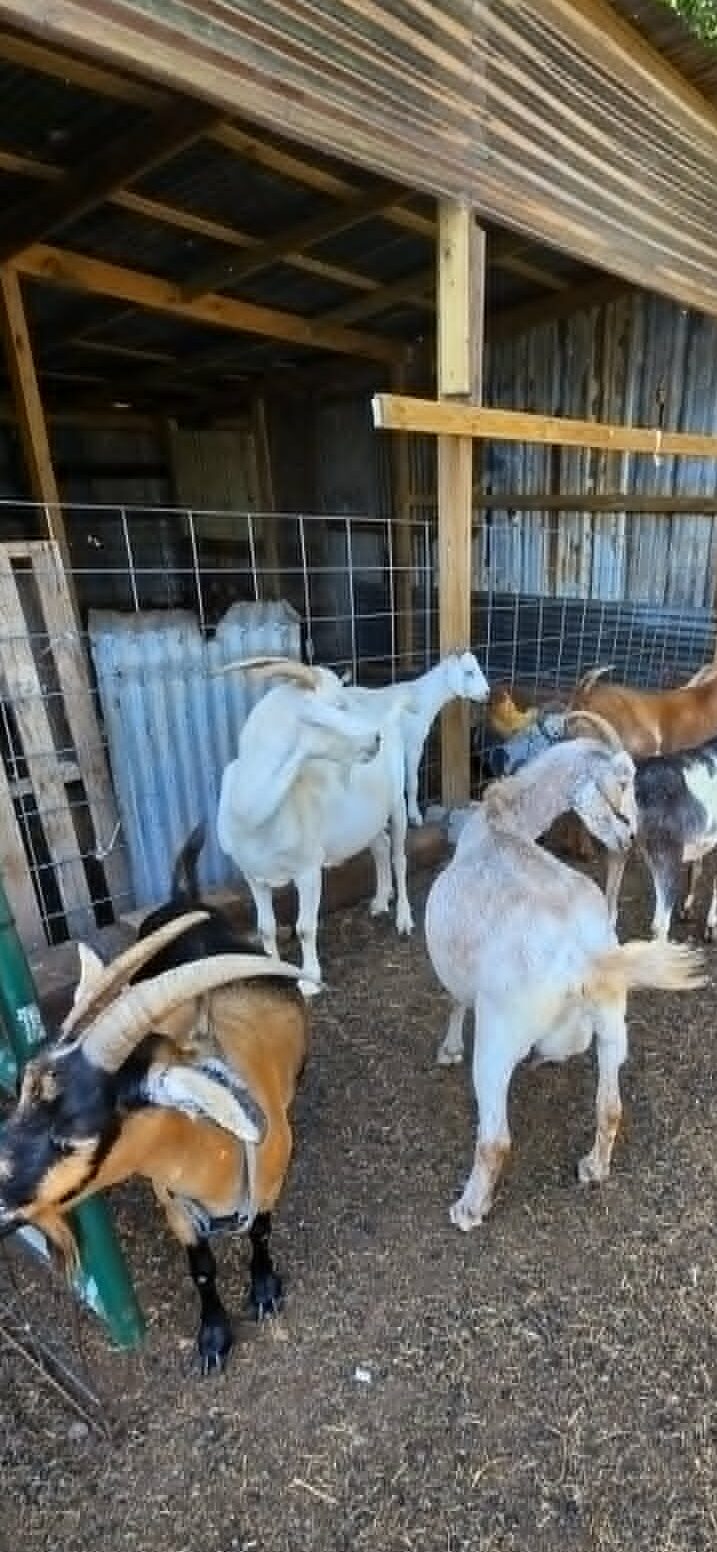
Why Raise Goats?
Many homesteaders choose goats because they require less space than cattle and can thrive on smaller acreages. Goats can provide:
- Fresh milk
- Meat production
- Brush and weed control
- Manure for gardens
- Enjoyable companionship
Housing Requirements
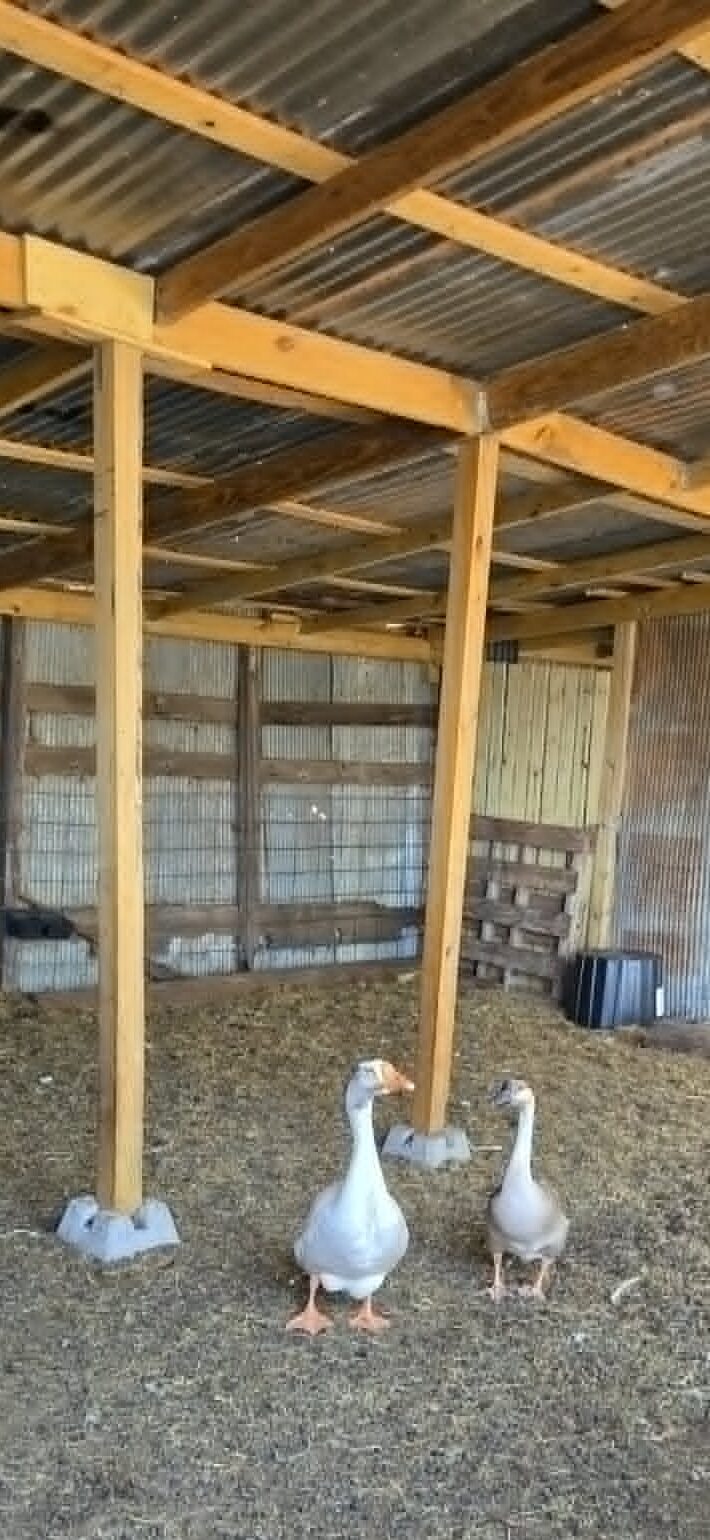
Goats need a dry shelter that protects them from wind, rain, and extreme temperatures. A simple three-sided shelter is often sufficient in many climates.
Make sure your shelter provides:
- Dry bedding
- Good ventilation
- Protection from predators
- Enough space for all goats
Fencing Matters
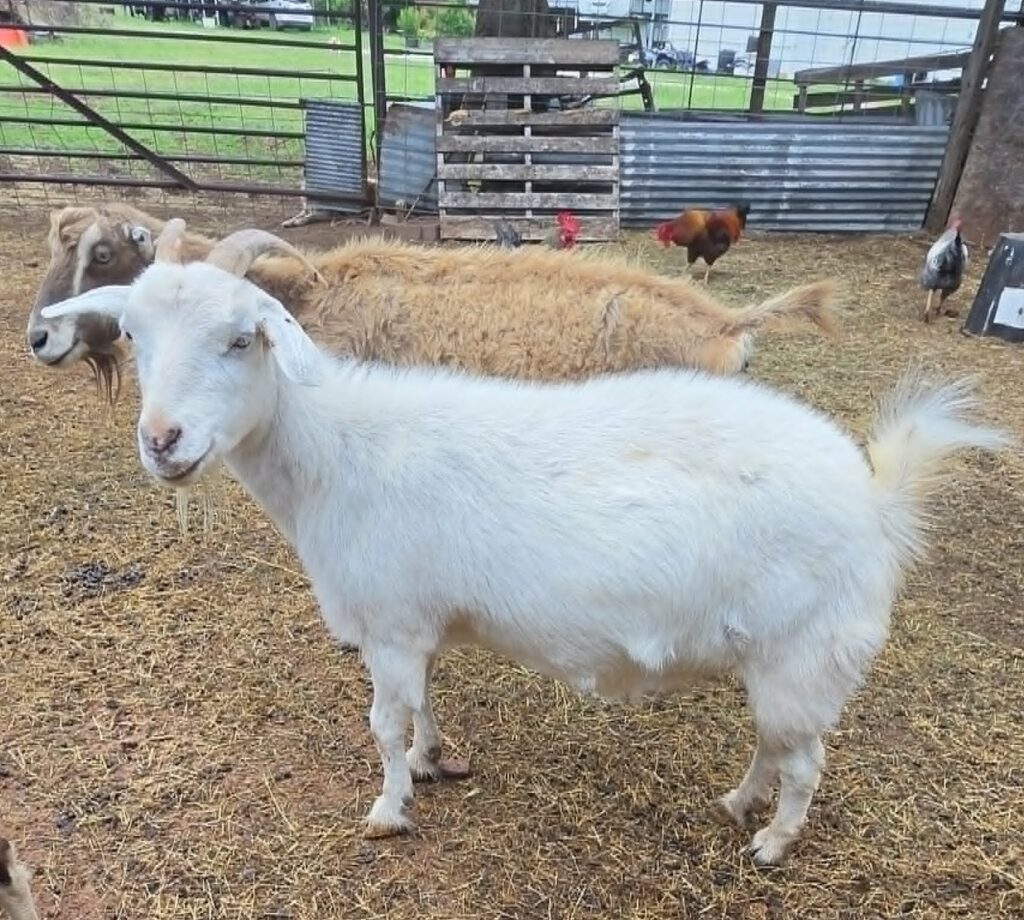
One of the first lessons new goat owners learn is that goats are excellent escape artists. They can also get througha small opening so if they must stay in a pasture woven wire with stays, t-posts and corner posts are a must. Most goats will not respect even hotwire because they can jump and they can climb a wooden fence.
Strong fencing should be:
- At least 5 feet tall
- Securely attached
- Regularly inspected for damage
- The pallet and metal keep the goats from sticking their heads through the cattle panel squares.
Feeding Your Goats
Goats are browsers rather than grazers. They prefer leaves, shrubs, weeds, and small branches. It is necessary to have a hay supply stored up for winter. First decide if you are going to feed big bales of hay or small bales and get an approximate weight of what one bale will weigh. Goats will eat their weight in hay every couple weeks so figure an approximate weight of one average goat, multiply by how many head you have, then multiple by how many weeks they will be being fed, divided by 2, (to get the number of weeks cut in half), divided by the weight of one bale of hay. This number tells you approximately how many bales of hay you will need.
Example: 75 lbs/goat X 10 head X 20 weeks/2 Divided by 80 lb bales = 94 small bales to make it through the winter. Or 7 big bales if they weigh 1100 pounds.
Provide:
- Quality hay – it does not need to be horse hay. Cow hay will work just not moldy.
- Fresh water
- Loose goat minerals
- Appropriate grain when needed
Avoid feeding moldy hay or large amounts of grain.
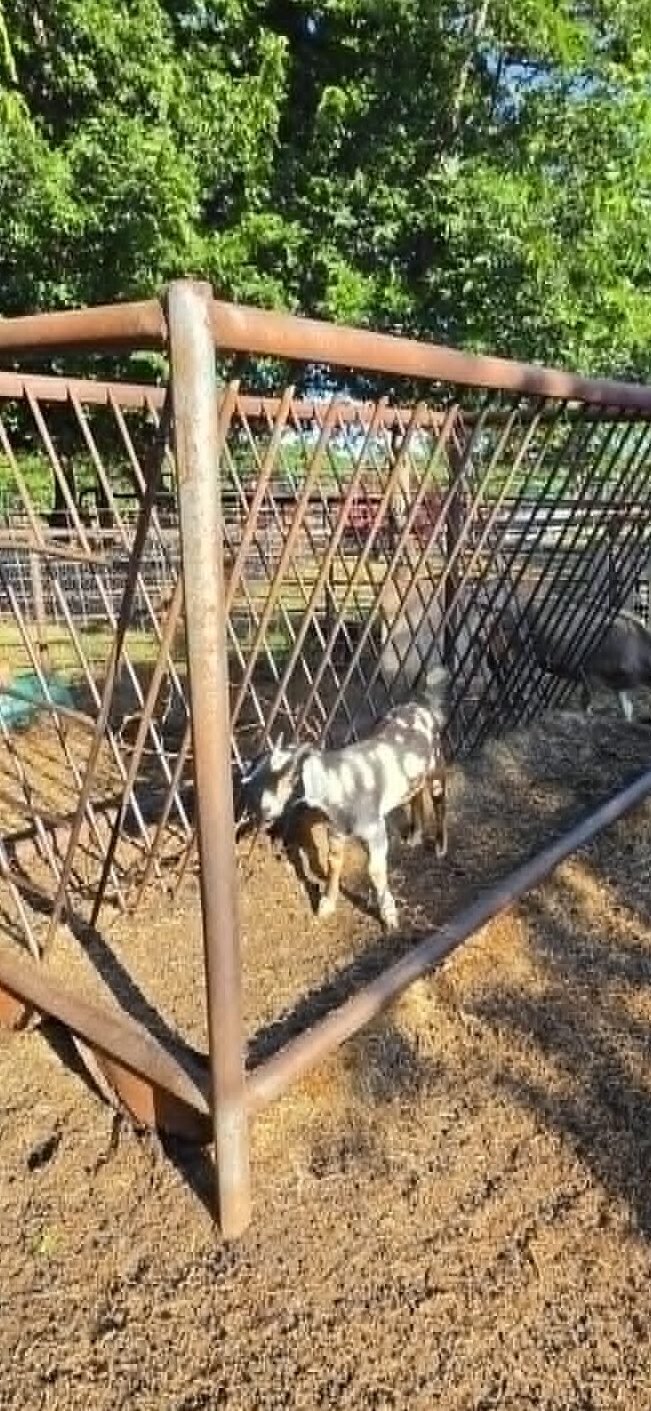
Also feeding hay off the ground in a hay feeder or container helps keep the parasites down.
Health Care Basics
Routine care includes:
- Vaccinations
- Hoof trimming
- Parasite monitoring
- Regular body condition checks
Working with a veterinarian can help establish a health plan for your herd.
Keep an eye on the goats FAMANCHA (how anemic they are) it will help determine the health of every goat and the first clue if your goats have a lot of parasites. Con’t just worm them without running a fecal sample to determine which parasite needs to be killed because different worms require different medicine. There will be more detailed information on this later on.
Final Thoughts
Goats can be one of the most rewarding animals on a homestead. With proper fencing, nutrition, and care, they can provide years of enjoyment and productivity for your family. They do require basic care and can get sick easily if stressed, so anytime of year watch for heavy breathing, snotty nose, any persistent cough, poopy butt, not eating, or any goat off by itself – these are the first signs of a sick goat. Act immediately because they can go downhill quickly.