10 Things Every New Chicken Owner Should Know
Starting with chickens can be exciting, but there are a few things every new owner should understand.
1. Chickens Need Protection From Predators
Raccoons, foxes, dogs, hawks, and snakes all enjoy chicken dinners. They need a fortified area to roost in at night. Some people will let their chickens free range during the day and then lock them up at night. Personally I have mine in a coop with a yard so they are in a given area, it makes egg collection easier and protects the chickens 100% of the time from predators, hopefully. Chickens are at the bottom of the totem pole when it comes to being hunted.
2. Clean Water Is Essential
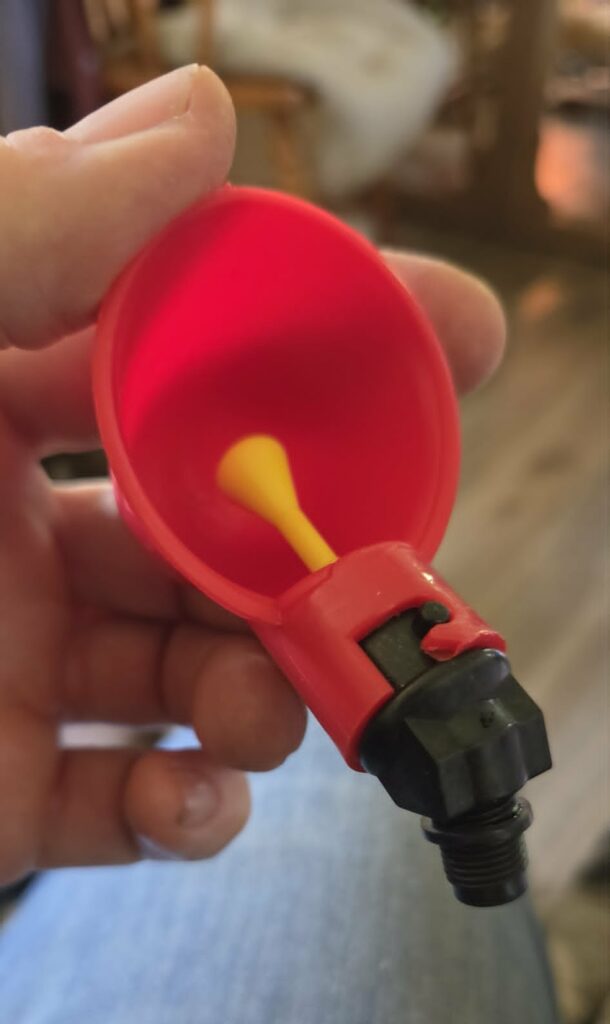
Fresh water is one of the most important factors in flock health. having a couple pans with water that is replaced daily is one of the easiest ways to keep the birds healthy. I also have a five gallon bucket with these waterers to keep their water clean, because they love to poop in their water.
3. Egg Production Changes With Seasons
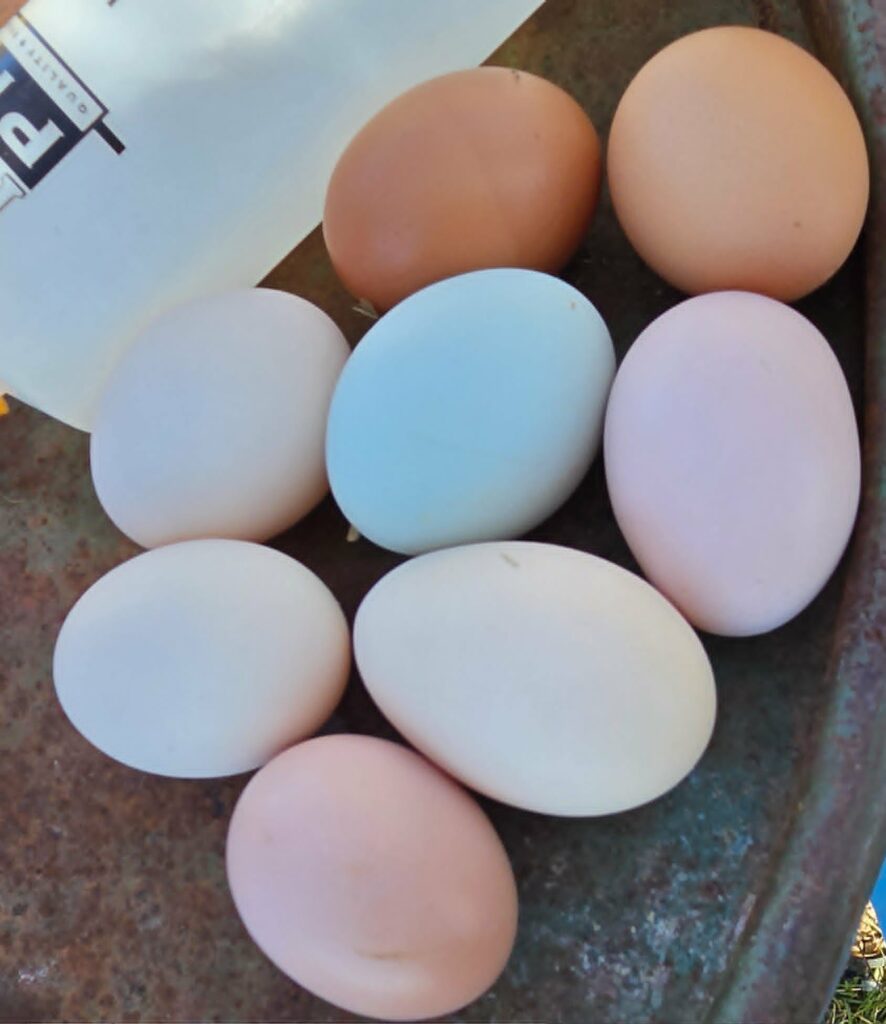
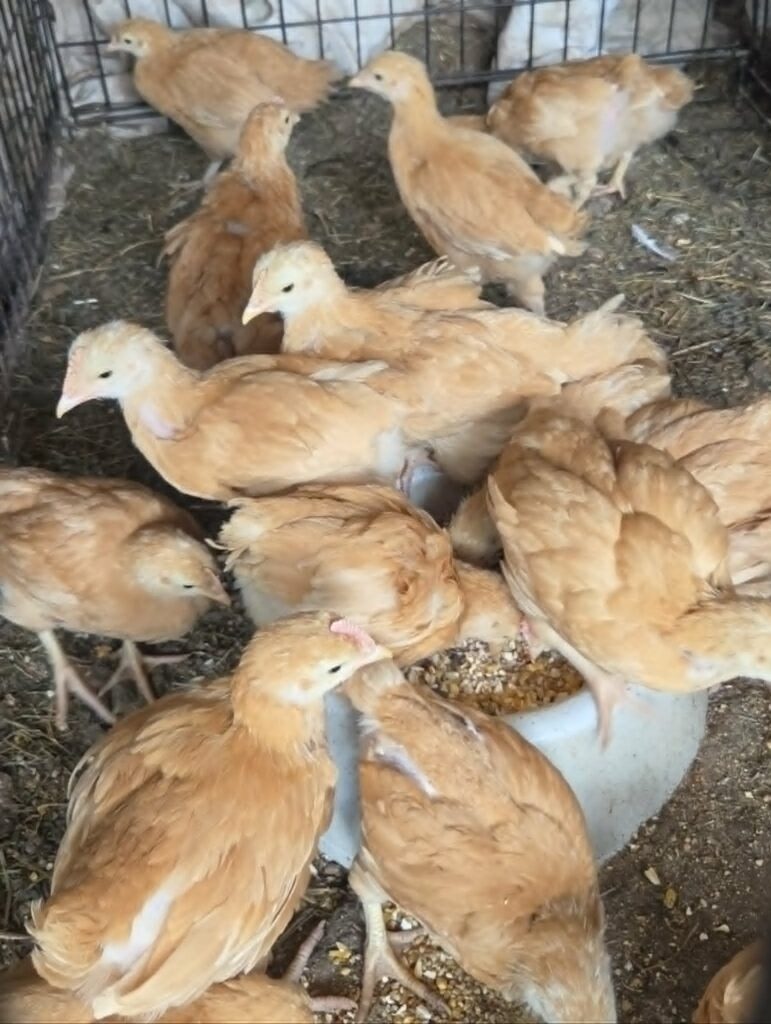
Chickens start laying eggs around 6 months old and lay eggs pretty consistently for the next 2 years. As they get over 2 years old their laying slows and they won’t lay in the winter months. Many hens lay fewer eggs during winter because the daylight period has less light so it naturally slows their egg laying. Then in the spring they will start laying again. Some chicken owners put a light in the coop on a timer during the winter which may help them continue to lay. It is also important to add younger chickens to the flock every couple years to keep the egg production up.
My goal has been to get different breeds to have lots of color in my eggs. There will be more posts on what breeds lay what colored eggs.
4. Chickens Establish a Pecking Order
Chickens can be cannabilistic so it’s important to feed them well and watch the birds incase they start picking on one to isolate them. If the chickens see any blood they will keep picking at it. Some squabbles are normal but a bird hiding in a corner is a sign they are picking on that bird. Also watch the flock and if there is one bully it may have to be culled to keep everyone else happy. One rooster to 20 hens is plenty, if there are too many roosters the chickens get chased all the time plus the roosters fight.
5. Not Every Hen Lays Daily
Production varies by breed, age, and season. It is not unusual to have chickens lay every other day or 5 days a week. It is all dependent on how their system works, and in the winter their system naturally stops laying because the photoperiod gets shorter. Younger birds are more likely to lay in the winter months, but when the days are shortest expect egg production to be greatly decreased than in the spring and fall. Also in the heat of the summer your chickens will probably decrease the amount of eggs they lay a day.
6. Ventilation Matters
A dry coop is a healthy coop, air flow is important especially in the hot weather. When it gets cold outside it’s important to cover open areas of the coop to stop major draft, but not so air tight that humidity forms in the coop. Also when it is cold chickens DO NOT need a heat source, I have seen more pictures of destroyed coops because people thought the chickens needed heat. Chickens naturally produce heat and are like little furnaces. If they have a coop that is draft free, dry bedding and perches they can get on they will be fine. You can feed some cracked corn in the winter, it will help the chickens produce more body heat. When we lived in Colorado it got down to 20 degrees below zero, I just gave them fresh water every morning and fed them morning and night.
7. Molting Is Normal
Chickens molt, replace their feather twice a year so feather loss can look alarming but is usually natural. It lasts a few weeks and you will notice pen feathers coming in. During molting the egg production will typically decrease for a few weeks, but then goes back to normal.
8. Chickens Enjoy Treats
Treats should be limited and not replace balanced feed. Chickens will eat about anything, I keep a can by my sink that all kitchen scraps go in, including egg shells and I take it out to the chickens every morning. Also when I clean out the fridge most goes to the chickens, when working in the garden any weeds, leaves off of vegetables goes to the chickens and when we cut grass from the year as long as we haven’t sprayed weeds they get some of grass.
9. Observation Prevents Problems
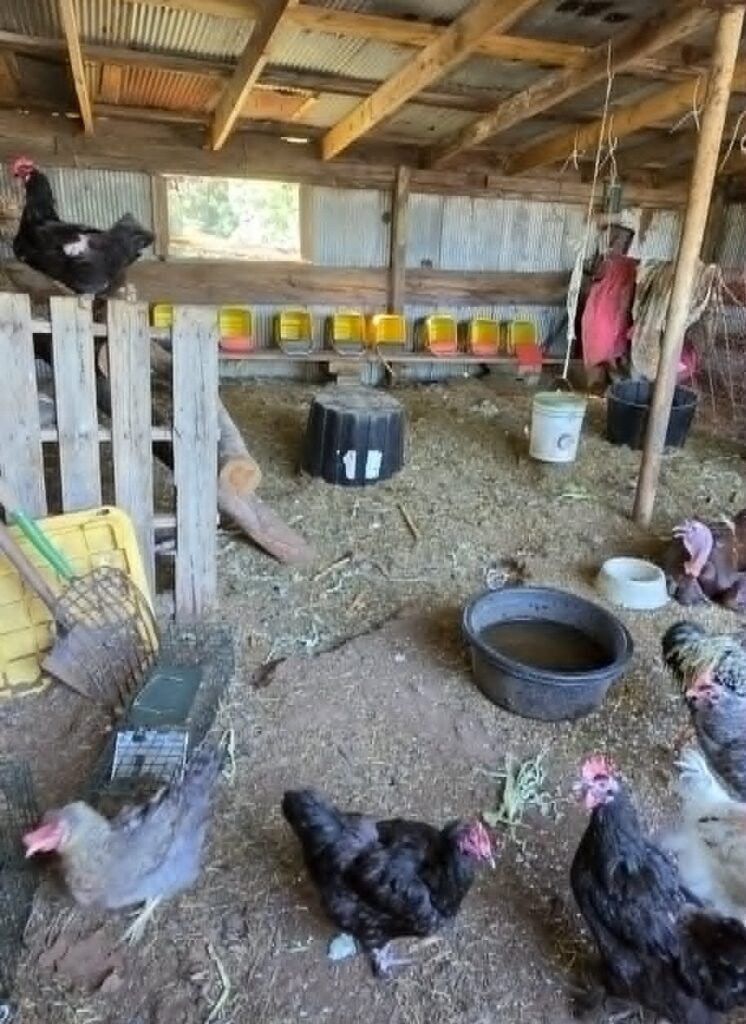
Watch for changes in behavior or appetite of your birds. A quick survey of animals during morning and evening chores can help you be on top of any problems. Birds are known to hide when they don’t feel well so many times they are preetty sick before you will notice and they also don’t have long lives. Five years is an old bird.
10. Chickens Are Fun
Many chicken owners start with a few hens and soon want more., this is called Chicken Math!! You will start with 5, then get a few more and before you know it your have 25 birds. They do have personalities and can be tamed down to some extent. They can eat out of your hand, ride on your shoulder, and play with items you put in their coop. It’s all how far you want to go. I have a friend that had a pet chicken that loved 4 wheeler rides.
Conclusion
The more time you spend observing your flock, the more confident and successful you’ll become and the more tame your flock will become. There are tons of chicken groups on Facebook you can learn things from too. Just remember everyone seems to do things differently so take what parts you like and come up with your own method.