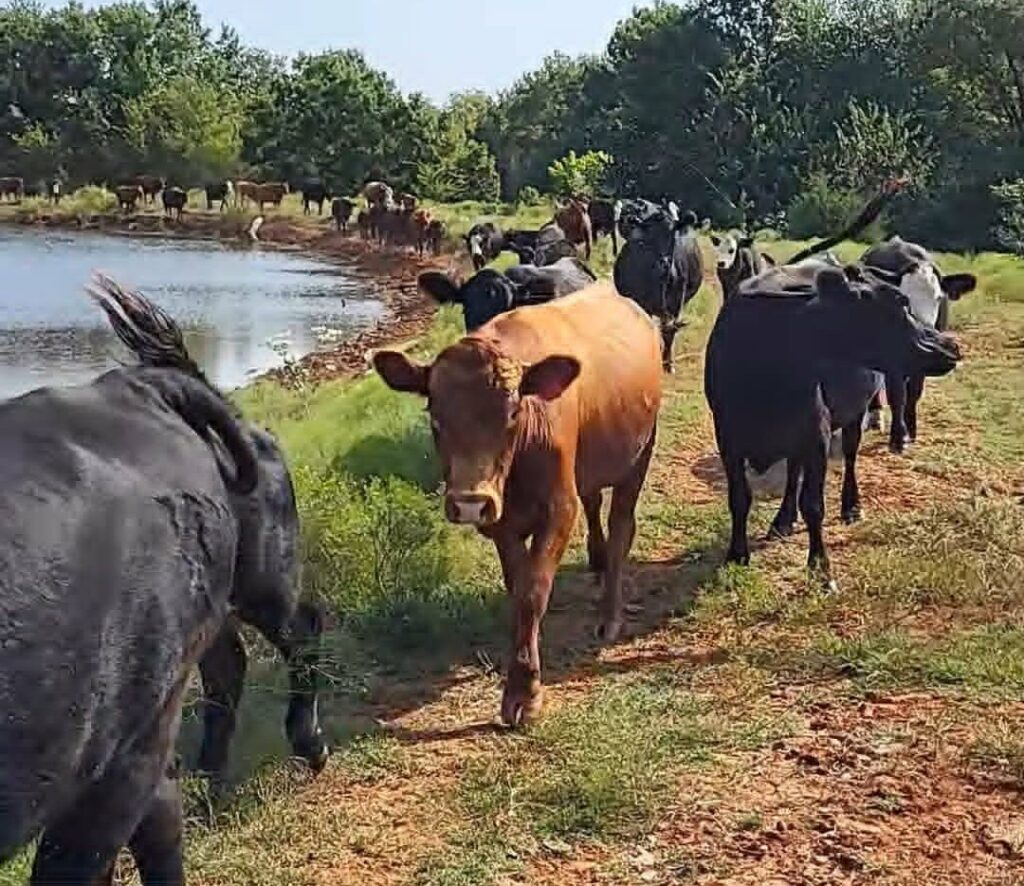
Beginner’s Guide to Raising Cattle on a Small Homestead
Cattle can provide beef, income, and valuable manure while helping maintain pastureland, but they do require heavy panels, cattle chute and sturdy pens to work them when needed. Fences and corrals need to be made to handle a 1000 lb animal and be tall enough to prevent a jumper.
Why Raise Cattle?
Benefits include:
- Beef production
- Meat production
- Grazing management
- Additional farm income
- Soil improvement
Must haves for Raising Cattle
A. Sturdy pen to contain cows to work them
B. Cattle chute and alley way
C. Trailer and pick up for transport
D. Pick up and flatbed trailer to haul hay for the winter, supplies and minerals.
Start Small
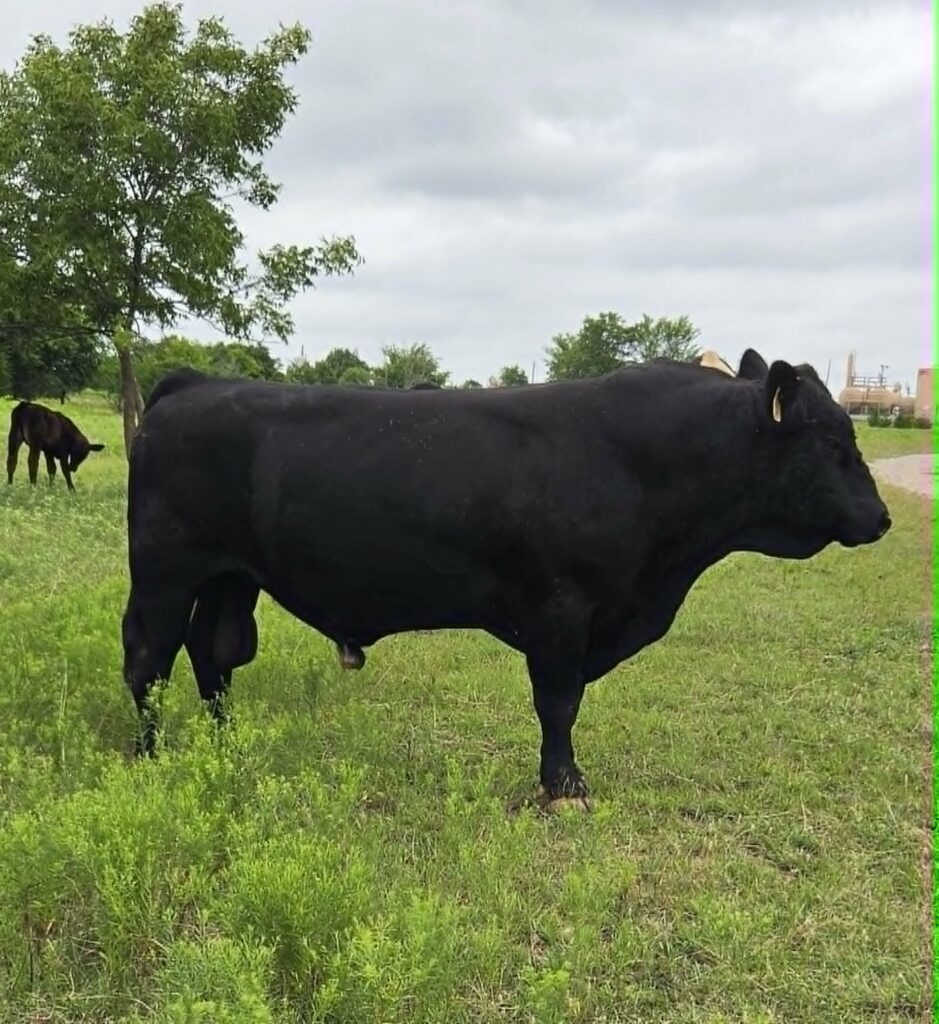
Many new homesteaders begin with two or three animals while learning management skills. Do Not purchase a bull with just a few cows, they get bored easily and will constantly try to leave. You can have someone come and artificially inseminate your small hers, find someone you can take your females to or have the bull on your pasture for a few months. Once you have 15 or more cows, adding a bull is probably a good idea. A good rule of thumb is 25 cows to one bull.
Fencing and Pasture
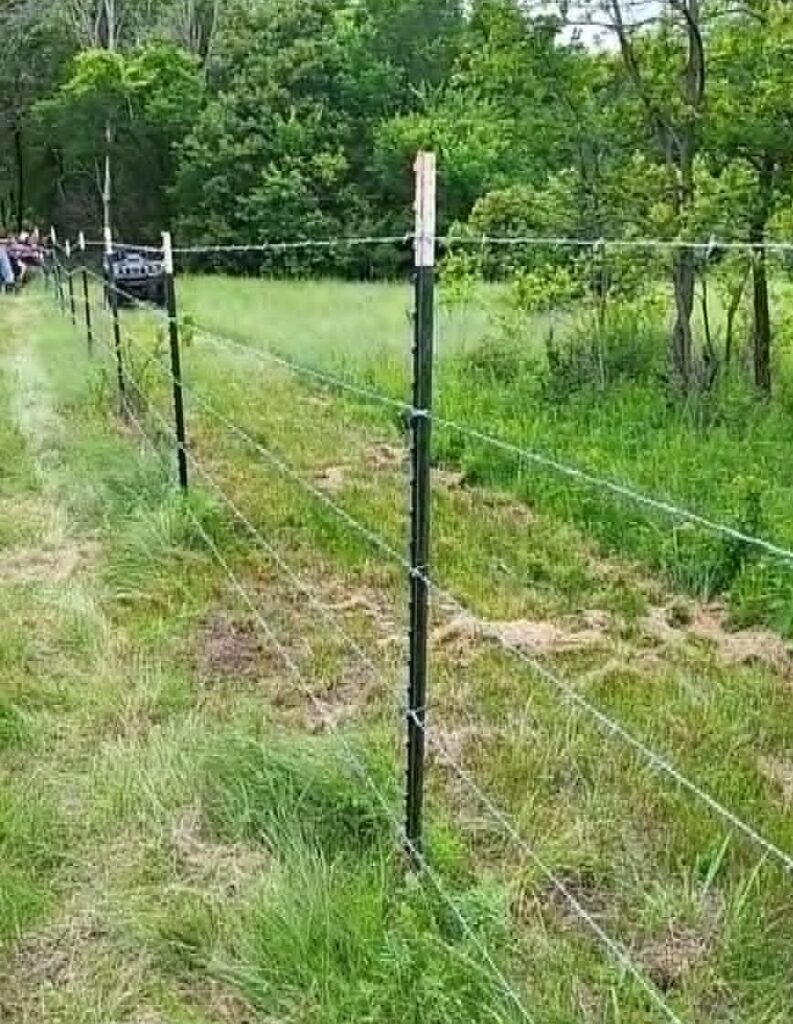
Good fences are essential. 5 or 6 lines of barbed wire, t-posts and good corner posts should keep them in. Wire needs pulled tight with a wire tightener and connected to the t-posts. A taunt line will keep the cows where they are supposed to be, also ride the fence line periodically to fix any problems that may arise.
Inspect regularly and repair problems quickly before cattle discover them. They do seem to always find a hole if there is one. Especially after a storm check for down trees or any thing that might have fallen. Also check any out of the way gates to be sure someone hasn’t left it open.
Water Requirements
Cattle require a constant supply of clean, fresh water. They drink about 1 gallon of water a day per 100 pounds. A 1200 lb cow drinks 10 to 18 gallons daily. A nursing cow typically consumes 30 gallons a day and when it is in the hot summer months water consumption increases to 25 to 30 gallons a day. If a pond is not available having an adequate water trough is a necessity that holds enough water for all the animals to drink for the day.
Feeding Basics
Most cattle thrive on:
- Quality pasture
- Hay during dormant seasons
- Mineral licks and salt blocks
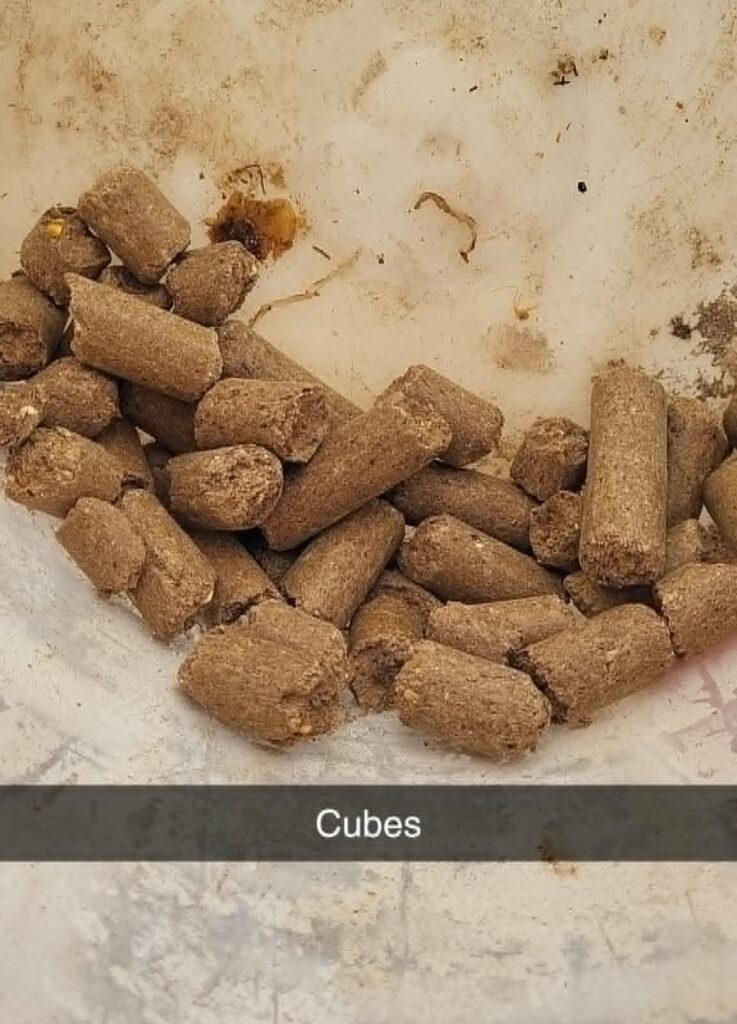
- Supplemental feed when necessary such as protein pellets through the winter months
Health Management
Work with a veterinarian to establish:
- Vaccination schedules
- Parasite control – including worms and fly control
- Emergency care plans
Final Thoughts
Cattle can be a rewarding addition to a homestead when proper planning and management are in place. They do require heavy panel pen when working them and a cattle chute to hold them to treat or work them. They need to be on a vaccination schedule, treated for internal and external parasites and fly control, have a plan to get them in a pen if necessary or transported to a veterinarian.