10 Things I Wish I Knew Before Raising Cattle
Cattle have taught me patience, problem-solving, and the importance of strong fences. Here are ten lessons that would have helped me when I first started.
1. Good Fences Save Time
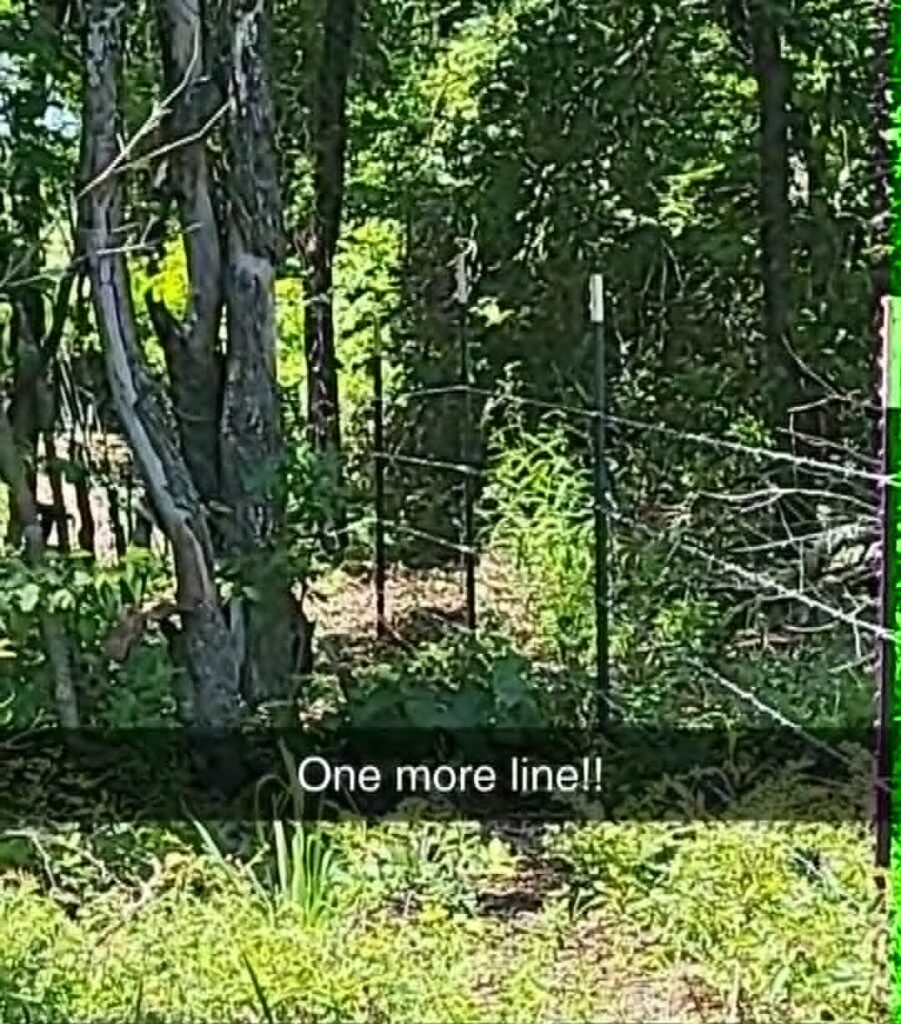
Weak fences create headaches. Always make the fence sturdy and head high for a cow, that should detour most jumpers. Use good barbed wire – paying the extra money will save time replacing faulty wire in a year or two.
2. Cattle Always Find the Problem Area
They seem to know exactly where the fence needs repair. Cattle will walk the fence line and get out if the wire is broken or if a tree falls over in a storm they will find it.
3. Water Systems Matter
Reliable water is critical year-round and have a contingency plan already in place. I have hoses we water with and an extra set of hoses drained so if the hoses freeze I can easily undo them and use the second set. Nothing worse than thirsty animals and no way to get water. When we lived in Colorado we had a well and the pmp went out on a Friday. The plumber had to order another one so we had no water for 72 hours. Luckily we had a square 250 gallon water tank that fit in the back of our truck and the neighbors let us fill it every day until we got ours fixed.
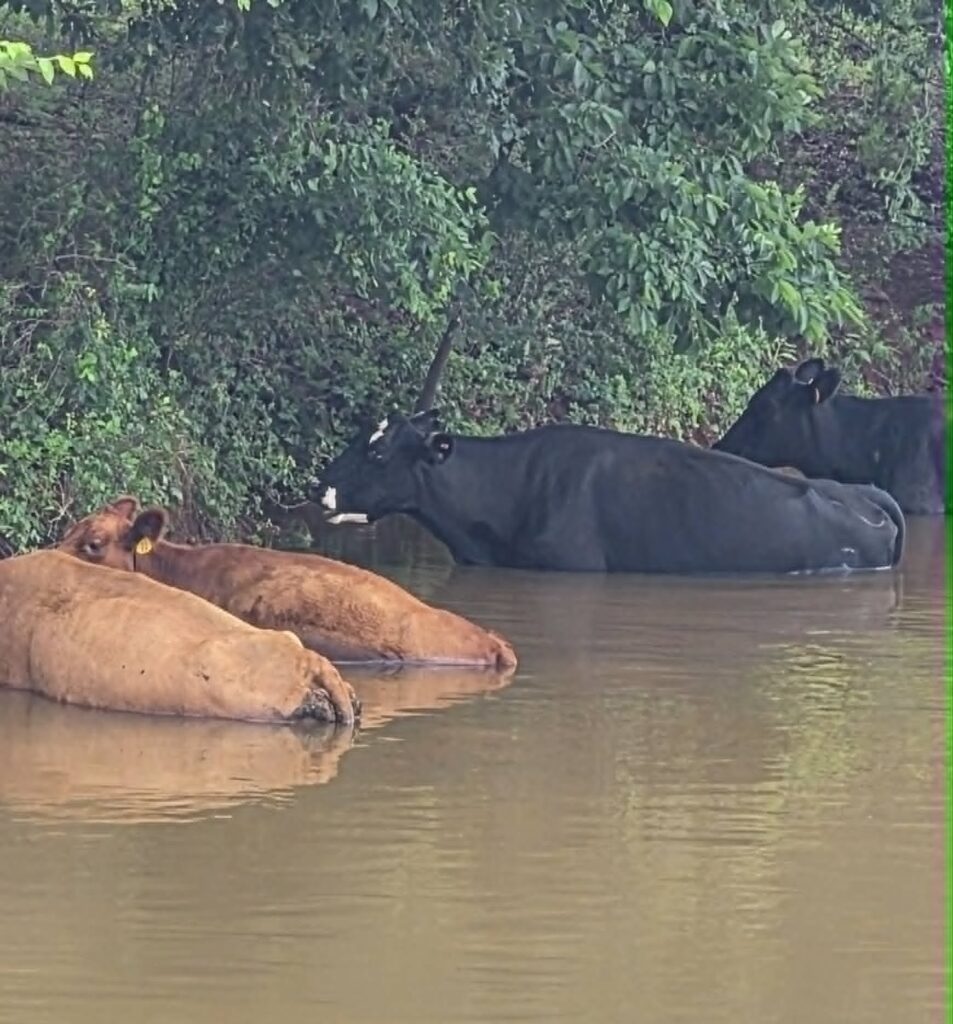
Ponds are life savers when the summer gets hot. The cows wade in to cool off.
4. Weather Affects Everything
Pasture growth, hay needs, and animal health all depend on weather conditions.
Mother Nature can not be controlled we just have to live with what happens and make our animals as happy and comfortable as possible.
5. Observe Daily
Small problems become large problems when ignored.
Try to make a point to look at every animal in the herd when you are feeding every day. Once you learn how they act use it as a benchmark to tell if anyone is not feeling well. Laying off by themselves, ears or head down, a cough or labored breathing are all signs of possible illness.
6. Minerals Are Important
Proper mineral supplementation supports health and productivity.
Supplemental minerals – loose and in blocks should alwasy be available for the herd. If you noitce somebody not acting normal get them in a chute and give a vitamin shot and some probiotic paste can sometimes overt a trip to the vet.
7. Learn Basic Animal Behavior
Understanding cattle behavior improves handling and safety.
Always face the animal if walking through a pen – don’t let them get behind you, no matter how much you trust them. Don’t get in a small pen with cattle unless you know the animal, they might not even be trying to hurt you but are so strong they can. Don’t stidk your arm through a fence to pet them, reach over the top of the fence. Don’t let them rest their head on you and if you ever raise bottle babies remember they are not afraid of you and don’t shy away like other cattle will.
8. Have a Hay Plan
Winter feeding arrives sooner than expected.
We always start looking for hay early in the season and keep the contacts of people we have gotten hay from before. Things happen and they may not always have a supply so always reach out to them early in the season to reserve your hay. Also have a plan on how to get the hay to get the hay to your place, whether you are hauling it or paying the farm to deliver it by semi trailer.
To figure how much hay you will need first determine how many months you will be feeding – it’s usually Nov thru March – then get an estimate of how much the bales of hay weigh. Cows eat their body weight in hay every month so take an average weight of your herd – in this example we will say 1000 pounds for each cow x how many head x how many months you are feeding (5) divide by 2000 ( which is how many pounds in a ton. That is how many ton you will need to buy for the winter so then take the weight of a bale and divide that by 2000 – weight of a ton and that gives you how many bales of hay you will need to buy. Most places charge per bale. It is better to buy some extra than be short if it’s a hard winter or you have to feed some cows in a pen for some reason.
9. Build Relationships
Veterinarians, neighbors, and experienced ranchers are valuable resources. Being new to cattle it’s important to find a good mentor you can ask questions to that raise cattle in your area. Talk to people and find a trusted veterinarian and always be willing to try new things, but find things that work for you.
10. Enjoy the Journey
There will be challenges, but raising cattle is incredibly rewarding.
Conclusion
Every mistake becomes a lesson. Start small, keep learning, and enjoy building your homestead experience. Find a mentor or lean on a friend you can ask questions, read different publications and gleen what works for your area, because something that might work in Colorado probably won’t work the same in Oklahoma.